The Real Risk Behind Doing It Yourself
It’s all too common. Someone runs into car trouble and decides to handle the tow on their own to save a little money or time. The idea sounds simple enough, but the moment a strap snaps or a vehicle shifts, things spiral fast. DIY towing puts people, cars, and everyone else on the road in a risky spot that most drivers are not prepared for. When we talk with customers after something goes wrong, the story is usually the same. A friend offered a truck, someone grabbed a rope, and confidence replaced caution. Palatine towing is not just about moving a car from point A to point B. You need to know how weight, balance, braking, and road conditions work together.
Vehicles Are Not Designed to Be Pulled Like That
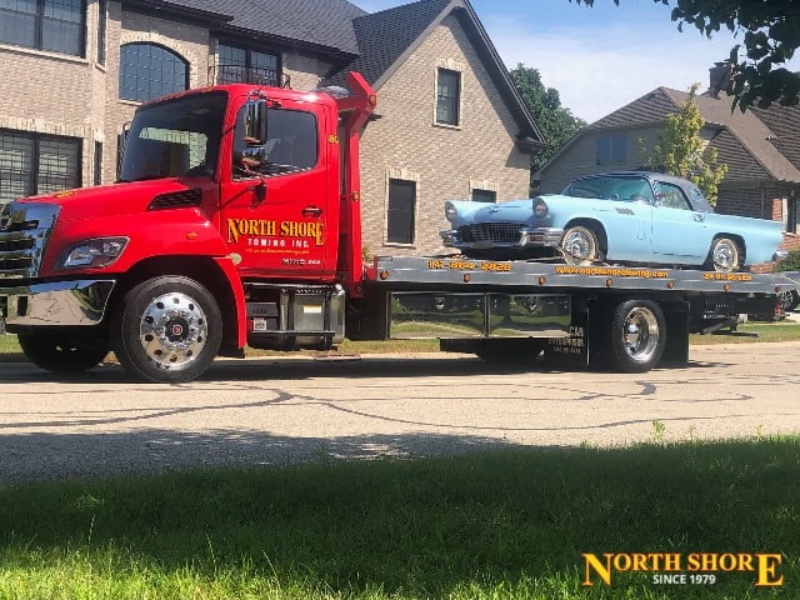
Modern vehicles are built with specific tow points and weight limits. Ignoring those details can twist frames, damage transmissions, or rip bumpers clean off. Even short-distance towing can cause long-term problems that do not show up until weeks later.
Another issue is braking. The vehicle doing the towing now carries the responsibility for stopping two cars instead of one. That added strain changes stopping distance and steering control in ways most drivers never practice. DIY towing often turns a manageable breakdown into an expensive repair bill.
The Equipment Problem No One Thinks About
We hear people say they used a rope, chain, or basic strap and thought it would hold. That assumption causes more damage than most realize. Store-bought towing gear is not all rated the same, and mismatched equipment can fail without warning.
Here are a few common DIY towing mistakes:
- Using straps not rated for vehicle weight
- Attaching to suspension or body panels
- Skipping safety chains entirely
- Towing without proper lighting or signals
Each one of these can lead to loss of control on the road. That is why Palatine towing is handled with purpose-built gear and clear procedures rather than guesswork.
Legal and Safety Issues Add Another Layer
Most drivers do not realize that towing laws apply even during emergencies. Improper towing setups can lead to citations, fines, or liability if an accident happens. If a towed vehicle breaks loose and causes damage, responsibility lands squarely on the driver who set it up.
Insurance companies also take a close look at these situations. DIY towing often falls outside standard coverage, leaving drivers exposed to costs they never expected. This is another reason Palatine towing exists as a professional service instead of a favor between friends.
North Shore Towing and Palatine Towing Done the Right Way
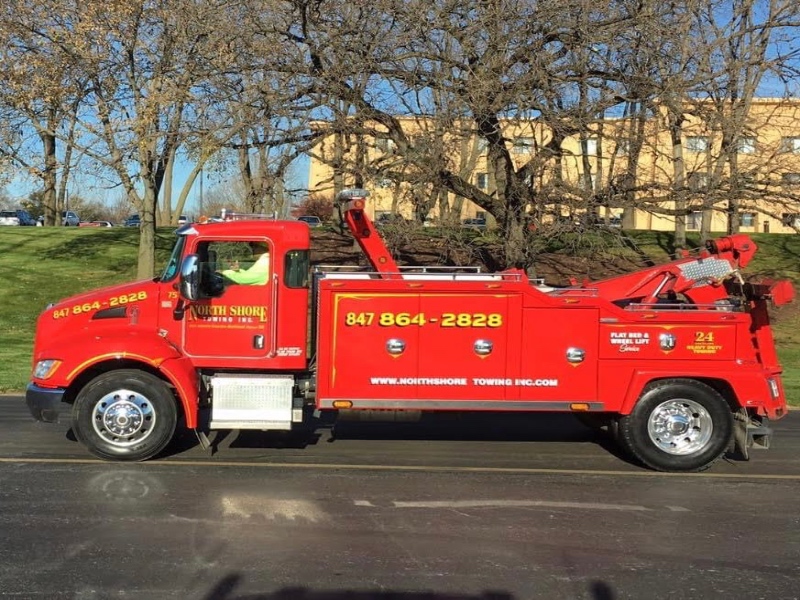
At North Shore Towing, we take a practical approach to Palatine towing because we see the consequences when corners get cut. We handle breakdowns, roadside issues, and vehicle transport with clear steps and proper preparation. Our focus stays on protecting vehicles, drivers, and everyone sharing the road.
When people ask us why DIY towing is always a bad idea, the answer is simple. The risks outweigh the reward every time. Palatine towing works best when it is handled by people who do it every day and respect how quickly things can go wrong. If you are facing a breakdown or stuck vehicle, North Shore Towing is here to handle Palatine towing without adding new problems to an already stressful situation.
Frequently Asked Questions
Is it ever okay to tow a car with another personal vehicle?
In rare cases and only for very short distances, but most personal vehicles are not set up for this. Without proper ratings and connection points, damage can happen fast.
What is the most common mistake people make when towing themselves?
They attach the tow line to the wrong spot. Bumpers, suspension parts, and axles are not meant to handle towing force.
Can towing a car incorrectly damage the transmission?
Yes. Many vehicles can suffer internal transmission damage if the wheels roll the wrong way or at the wrong speed during a tow.
Do tow straps and ropes sold online work for vehicles?
Some do, many do not. Weight ratings, wear, and how the strap is attached all matter more than people expect.
What should I do first if my car breaks down?
Move to a safe location if possible, turn on hazard lights, and avoid trying to move the vehicle with another car unless you are fully equipped.
Why does professional towing reduce risk so much?
Because the process relies on correct attachment points, controlled loading, and equipment designed to manage vehicle weight and movement.