
The Road Decides the Tow
The same flat tire can feel like two different jobs. On a packed neighborhood block, we may be working around parked bumpers, bikes, and delivery vans. On the expressway, that same car sits a few feet from fast traffic. Both are Chicago towing calls, but the setup, timing, truck position, and risk are totally different.
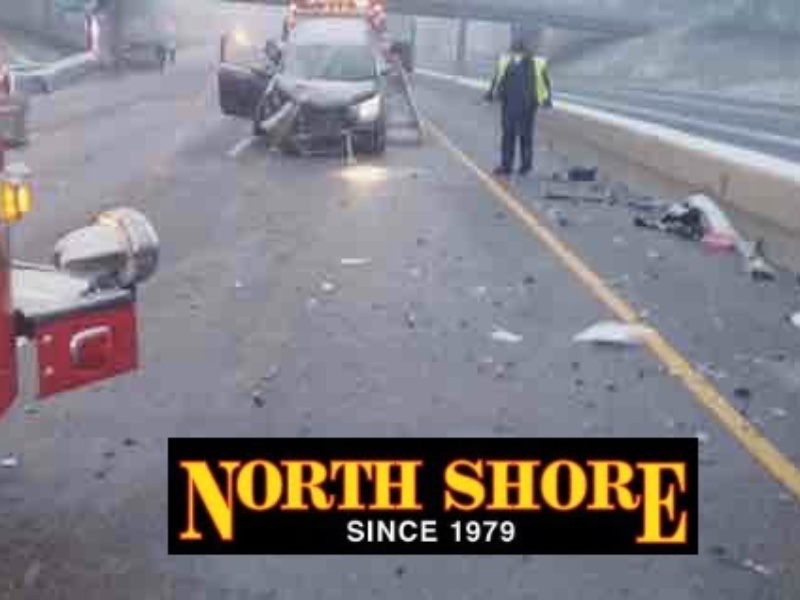
City Towing Means Tight Space and Constant Movement
Chicago street towing usually starts with figuring out where the truck can actually fit. Alleys behind three-flats, narrow side streets near Lakeview, crowded blocks in Rogers Park, and parking garages with low clearance all call for a different approach. We may need wheel lifts, dollies, or extra repositioning just to get the vehicle pointed the right way.
The city also has a lot of distractions. Pedestrians step around the truck. Someone tries to squeeze past with a grocery bag. A rideshare driver stops his car in the only open spot. We have learned to move carefully and speak clearly because confusion around a tow truck can turn a simple breakdown into a mess.
Highway Towing Has More Speed and Less Room for Error
On the Kennedy, Dan Ryan, Eisenhower, or Stevenson, the shoulder can feel smaller than it looks from inside a car. Wind from passing trucks rocks the disabled vehicle. Drivers drift toward the line while checking their phones. We usually think about traffic flow before anything else on highway calls.
Flashers, truck placement, and getting the driver away from traffic all happen before the actual hook-up. A flat tire on a city block may be annoying. A flat tire on the left shoulder near an expressway ramp can turn serious in a heartbeat.
What Drivers Should Do Before We Arrive
City drivers usually want to explain where they are by naming the nearest business, intersection, or landmark. That helps. Highway drivers should focus on mile markers, exit signs, direction of travel, and which shoulder they are on. “Inbound on the Kennedy near North Avenue” tells us a lot more than “I’m by downtown.”
A few small choices help us get the right truck into the right position:
- Turn on hazard lights right away.
- Stay out of moving traffic.
- Share the exact cross street, ramp, or exit.
- Tell us if the vehicle is in a garage, alley, or tight spot.
- Mention flat tires, locked wheels, or crash damage.
City Calls Take Patience, Highway Calls Take Fast Judgment
Chicago towing inside neighborhood streets usually takes patience. We may spend extra time checking clearance, moving around parked vehicles, or finding a clean pull angle. A tow from a one-way street can take longer than people expect, even if the repair shop is only three miles away. Chicago towing on the highway feels more urgent. We still do the job carefully, but traffic speed pushes every decision. The longer a disabled vehicle sits near an active lane, the more risk builds around it.
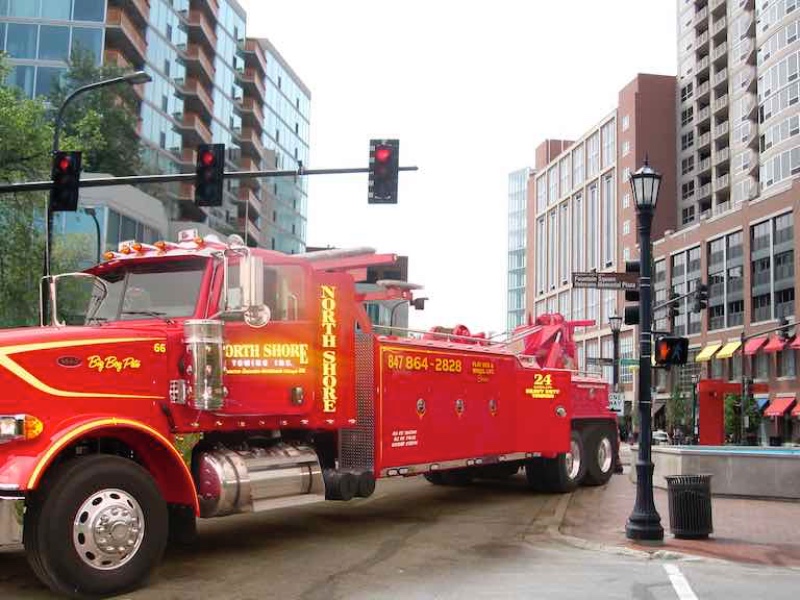
How North Shore Towing Handles Chicago Towing From Streets to Expressways
North Shore Towing handles Chicago towing in both places, and the difference shows up every day. A call from a tight curb spot near an apartment building may need slow loading and careful steering. A call from an expressway shoulder may need fast truck placement, clear communication, and a short ride out of traffic before anything else.
For Chicago towing, we look at the whole scene before we move the vehicle. Street width, traffic speed, snow, parked cars, wheel damage, and where the driver is standing all matter. Around Chicago, one block can feel calm and the next ramp can feel rough. Our Chicago towing team treats city streets and highways like two different jobs that happen to use the same tow truck.
FAQs
What should I tell a tow company if I break down on a highway?
Give your direction of travel, the nearest exit, and which shoulder you are on. Landmarks help, but exit numbers and mile markers are usually better. Stay away from moving traffic while you wait.
Is it safer to stay in the car during a roadside breakdown?
It depends on where the vehicle is stopped. If traffic is close and you can exit away from it, move to a safer spot behind a barrier or up an embankment. If leaving the vehicle puts you in more danger, stay buckled and call for help.
Why does a tow truck sometimes park at an angle?
The angle helps shield the disabled vehicle and gives the operator room to work. It can also make the truck more visible to drivers coming up behind the scene. That setup is common near fast traffic.
Can a tow truck move a car that is blocked in by other vehicles?
Often, yes. The operator may use a wheel lift, dollies, or careful repositioning to move it without needing much space. Very tight spots can take extra time.
What makes a roadside tow take longer than expected?
Locked wheels, low clearance, flat tires, crash damage, and traffic can all slow the job. The operator may need to change the hookup method once they see the vehicle. A simple tow on paper can get tricky on the road.
Should I try to push my car out of traffic myself?
Only do that if you can move it without stepping into active lanes. Many injuries happen when drivers try to fix the problem too close to traffic. Calling for help is usually the better move.