
Track Marks and Setbacks
A track loader slides into a muddy excavation. An excavator tips while working along a retaining wall. A telehandler loses a hydraulic line halfway through lifting material. Those are the kinds of calls that turn an ordinary workday into an Evanston equipment transport job. Once the machine is damaged or cannot move under its own power, getting it off the site becomes the next priority.
We’ve found that the recovery starts long before the trailer arrives. The condition of the machine, the surrounding ground, and the access into the site all affect how safely the equipment can be transported. Rushing the process usually creates more damage than the original accident.
Every Job Site Has Different Challenges
Construction sites rarely offer a straight path to the disabled machine. Fresh concrete, loose gravel, narrow gates, soft ground, and unfinished roads all change how we approach the job. Sometimes we can load directly onto a trailer. Other times we need to winch, lift, or reposition the machine before transport begins.
We also look at attachments before moving anything. Buckets, forks, augers, and hydraulic tools all affect trailer balance and tie-down points. During Evanston equipment transport, a few extra minutes spent planning often save hours later.
Before We Dispatch, We Ask About
- Equipment make and model
- Estimated operating weight
- Whether it still starts or rolls
- Attachments installed
- Ground conditions
- Site access restrictions
- Destination for delivery
Those details help us send the right truck instead of hoping one size fits every job.
Damaged Equipment Needs Careful Loading
Machines involved in accidents often have more damage than what is visible from the outside. A bent axle, broken track, damaged steering component, or hydraulic leak can change the entire loading process. Trying to drive damaged equipment onto a trailer sometimes creates even larger repair bills.
For Evanston equipment transport, we inspect the machine before loading begins. If fluids are leaking, we take steps to contain them. If the equipment cannot support its own weight evenly, we adjust the loading method so additional stress is not placed on already damaged components.
Can’t Forget the Paperwork
Most contractors need more than transportation after an accident. Insurance companies, rental companies, and repair facilities often require photos and documentation showing the condition of the equipment before it leaves the site.
We recommend taking clear photos of the machine, surrounding work area, visible damage, and any attachments. Keeping accurate records makes the claims process smoother and helps answer questions later. On many Evanston equipment transport jobs, good documentation becomes just as valuable as the transport itself.
Getting the Equipment Where It Needs to Go
Not every machine heads to the same place. Some go back to a contractor’s yard. Others are delivered directly to a dealer, rental company, or repair facility. Confirming the destination before loading saves time and avoids unnecessary delays once the truck arrives.
Before transport, we also verify trailer clearance, secure attachment positions, and proper tie-down locations. Evanston equipment transport is about more than moving heavy machinery. The goal is delivering it in the same condition it left the job site so repairs can begin without additional damage caused during transport.
North Shore Towing Handles Evanston Equipment Transport for Contractors and Construction Companies
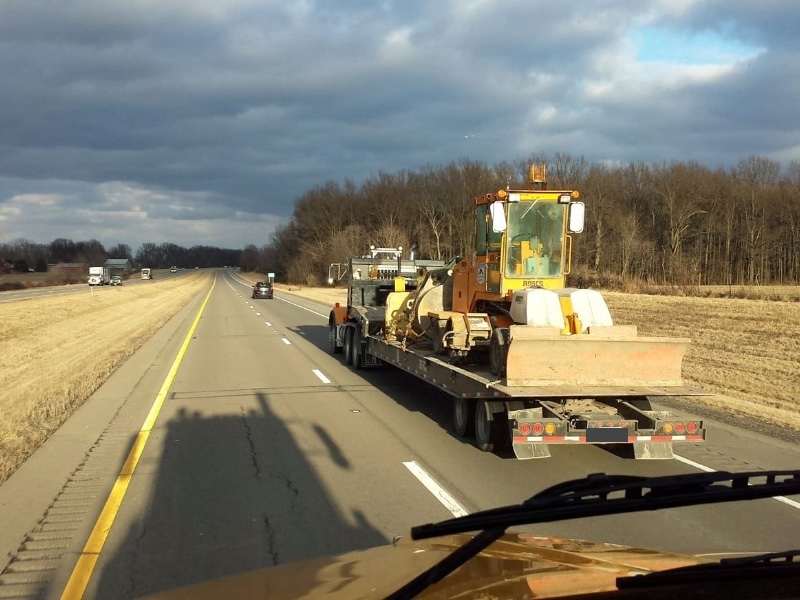
Since 1979, North Shore Towing has provided towing, recovery, recycling, heavy-duty services, and heavy equipment transport throughout the greater Chicago area. Our fleet of 30 trucks includes flatbeds, wheel lifts, medium-duty and heavy duty wreckers, allowing us to respond to a wide variety of commercial transportation needs. We’re proud of our WreckerMaster-certified operators, live dispatchers, and advanced GPS dispatch system. All help us send the closest available truck whenever a customer calls.
Our Evanston equipment transport services support contractors, municipalities, rental companies, and construction crews dealing with damaged or disabled machinery. Whether the equipment needs a short move across town or transport to a repair facility, we bring the trucks, experience, and planning needed to complete the job. Construction delays are stressful enough. Moving damaged equipment should not make them worse.
FAQs
What should I do if construction equipment tips over?
Keep everyone away from the machine and shut it down if it’s safe to do so. Don’t try to upright it with another piece of equipment unless you’re trained and equipped for that type of recovery.
Can damaged equipment still be transported?
Yes, but it depends on the condition of the machine. The transport method changes if the equipment has broken tracks, steering damage, or hydraulic issues.
Why does the towing company ask for photos before dispatching?
Photos help identify damage, attachments, ground conditions, and access points. That allows the dispatcher to send equipment that matches the job.
Does the attachment stay on during transport?
Sometimes it does, and sometimes it needs to be removed first. The decision depends on weight, height, trailer clearance, and how the equipment can be secured safely.
What happens if the machine is leaking hydraulic fluid?
Tell the dispatcher before the truck arrives. The crew can prepare for containment and help prevent the leak from spreading during loading and transport.
Can equipment be moved to a repair shop outside the area?
Yes. Many transport companies handle both local and long-distance moves depending on the size of the machine and where it needs to go.