
When Cargo Can React to the Recovery
A commercial trailer rollover is already a complicated recovery. When the trailer is carrying livestock, another factor enters the equation: the load can move on its own. Animals may shift toward one side, crowd together, or react to noise and activity around the scene. With Chicago heavy towing, that means a livestock trailer cannot always be approached like a trailer carrying freight that will remain exactly where it landed.
The tractor and trailer matter, but so does what is happening inside.
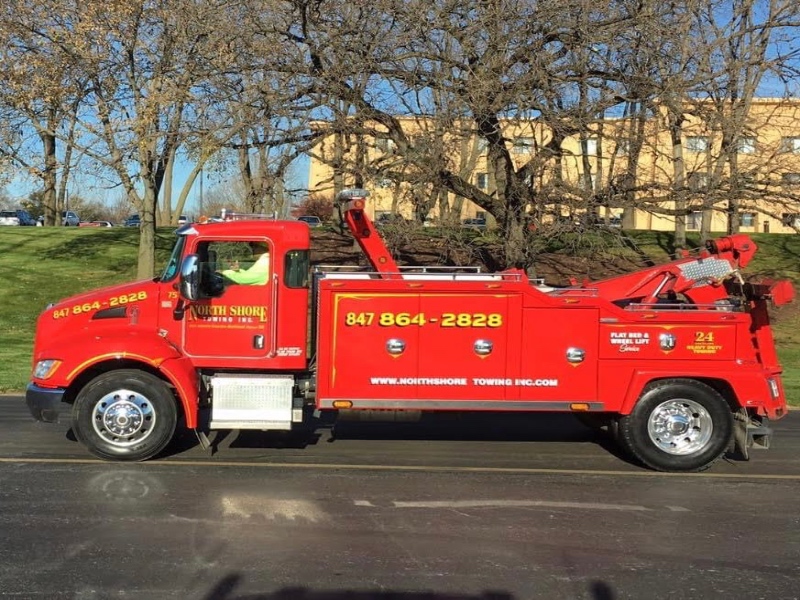
A Livestock Trailer Is Not a Box Full of Freight
Pallets, machinery, and packaged goods generally stay where gravity and their restraints put them. Livestock can stand, fall, regain footing, and move as conditions change.
That distinction affects the trailer itself. If animals crowd toward one area, the weight inside is no longer distributed as it was during normal travel. Their welfare also has to be considered throughout the incident.
For recovery crews, this means the load cannot be treated as a fixed number on a weight chart. Its position may change while the scene is being assessed.
Should the Animals Stay in the Trailer?
One of the biggest decisions after an incident is whether livestock can remain aboard while the trailer is recovered. There is no single answer for every situation.
The condition and position of the commercial vehicle, the trailer, and the animals all matter. A damaged trailer may no longer provide suitable containment. Doors, gates, partitions, or side panels can also be affected by the crash.
If animals need to be transferred, the recovery becomes larger. Appropriate livestock handling and transport resources may need to be involved before work on the trailer can continue.
Opening a Door Can Change the Scene
During livestock trailer recovery in Chicago, access is not simply a matter of opening the nearest door. Animals may be frightened or crowded near an opening, and a damaged trailer may have shifted gates or panels.
The recovery team also has to consider what happens after an opening is created. Live cargo cannot simply be placed beside the roadway like damaged freight.
Questions around the scene can include:
- Is the trailer still containing the animals?
- Have internal gates or partitions moved?
- Is livestock crowded against a door or wall?
- Can the trailer be repositioned with animals aboard?
- Is another livestock trailer needed?
- Is there a controlled place for animals to be transferred?
Those issues can affect when heavy-duty recovery around Chicago can move from assessment to actual lifting.
Weight Can Move While the Trailer Moves
A load shift in ordinary freight is a serious concern. Livestock introduces the possibility that weight can continue changing position during recovery.
As a trailer begins to move, animals may respond to the changing angle beneath them. That can alter how weight is distributed while crews are trying to control the trailer.
For tractor-trailer recovery near Chicago, that makes the sequence especially important. The trailer’s position, structural condition, and cargo situation have to be considered together rather than as separate problems.
Uprighting Is Only One Part of the Incident
Getting the trailer back onto its wheels does not automatically mean the animals or equipment can continue their trip.
The trailer may have damaged doors, walls, running gear, or internal partitions. The tractor can also require towing. Livestock that was transferred earlier needs suitable transportation as well.
With heavy truck recovery in Chicago, several things may therefore need to leave the scene separately.
Live Cargo Adds Coordination
A livestock incident can involve more than towing and recovery personnel. Depending on the circumstances, law enforcement, fire personnel, animal handlers, veterinarians, transportation providers, or other appropriate authorities may have responsibilities at the scene.
That coordination matters during commercial vehicle recovery around Chicago because decisions about the animals can directly affect when the trailer can be moved.
A livestock trailer incident is not simply a rollover with unusual freight. It is a recovery involving a load whose condition and position can continue changing throughout the job.
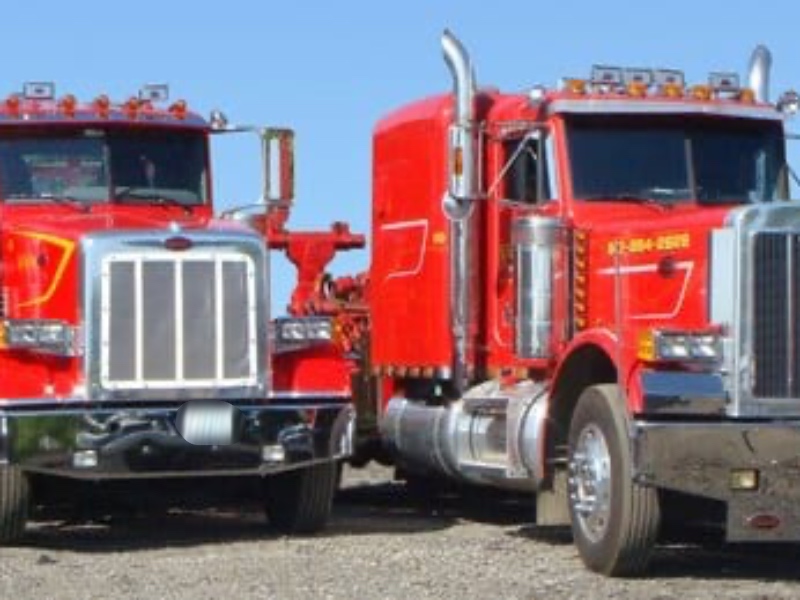
North Shore Towing: Your First Call for Chicago Heavy Towing
North Shore Towing & Semi Truck Heavy Wrecker & Recycling has been family owned and operated since Robert Cole established the company in 1979. Since then, we have grown into a diversified towing operation with a fleet of 30 tow trucks, including flatbeds, wheel lifts, medium-duty and heavy-duty wreckers, and multiple-car carriers. Our services extend beyond towing to auto wrecking and recycling, used auto parts, and used vehicle sales.
For Chicago heavy towing, our heavy-duty services include cargo swaps, winching and recovery, heavy equipment transport, and semi-truck decking and undecking. Our WreckerMaster-certified operators are backed by live dispatchers working 24 hours a day, 365 days a year, with an extensive GPS dispatch system helping coordinate our fleet throughout Greater Chicagoland. After more than four decades in business, heavy-duty towing and recovery remain an important part of what we do every day.
FAQs
Why is a livestock trailer recovery different from other trailer recoveries?
The animals can move during the incident and recovery. Their changing position can affect weight distribution while also creating containment and welfare concerns.
Do animals always have to be removed before an overturned trailer is uprighted?
Not necessarily. That decision depends on the trailer’s condition, the animals, the circumstances of the incident, and guidance from the appropriate people at the scene.
Why can opening a livestock trailer be complicated after a crash?
Animals may be crowded near the opening, and doors or internal gates may have shifted. Crews also need a controlled plan for where the animals will go once an opening is created.
Can livestock shift the weight of a trailer?
Yes. Animals moving or crowding into one area can change how weight is distributed inside the trailer, including while the trailer itself is being repositioned.
Who may respond to a livestock trailer accident?
The response can vary by incident. Along with towing crews, it may involve law enforcement, fire personnel, animal handlers, veterinarians, transport providers, or other authorities.
Can an upright livestock trailer continue its trip after a crash?
That depends on its condition. Damage to doors, walls, partitions, axles, tires, or other components may mean another trailer or towing arrangement is required.